

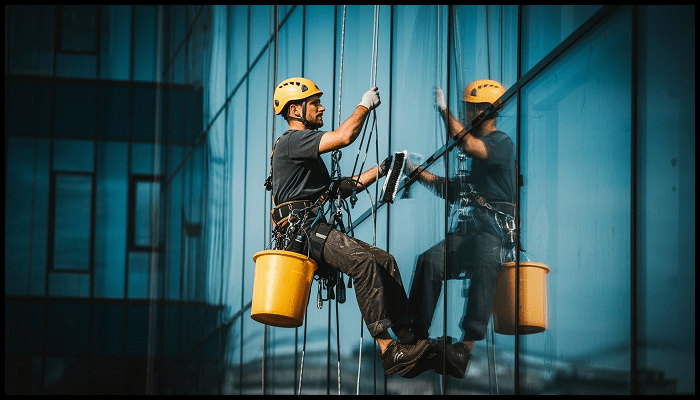
The structural evolution of modern metropolitan areas relies heavily on glass architecture. Towering skyscrapers, corporate offices, and luxury high-rise residential properties present unique maintenance challenges. Beyond aesthetic value, pristine windows ensure optimal natural lighting and preserve structural integrity by removing corrosive environmental contaminants.
However, high-rise window cleaning is fundamentally a high-risk occupation. Maintaining these architectural structures requires specialized knowledge, industrial-grade machinery, and strict adherence to strict safety standards. This guide provides an in-depth analysis of high-rise window cleaning methodologies, critical engineering mechanisms, safety protocols, and regulatory compliance.
Technical Access Methodologies
The selection of a high-rise window cleaning technique depends on architectural design, building height, structural load capacity, and local terrain. Technicians utilize specific access systems engineered to offer stability and mobility at extreme heights.
Rope Access and Bosun Chairs
Rope access, traditionally centered around the single-person bosun chair, is a common technique for high-rise maintenance. Modern rope access uses industrial climbing techniques derived from speleology and mountaineering, heavily modified for structural engineering applications.
The technician sits in a molded seat suspended by heavy-duty marine-grade ropes attached to the roof anchor infrastructure. The primary system consists of two distinct lines: the working line, which controls ascent and descent via mechanical descenders, and an independent safety line equipped with a fall-arrest device. This configuration provides mobility, allowing workers to access tight architectural angles and deep recesses that cannot accommodate larger mechanized platforms.
Suspended Platforms and Scaffolds
For large-scale cleanings on massive vertical facades, window cleaning companies rely on motorized suspended platforms, commonly called swing stages. These platforms are heavy-duty industrial stages suspended by steel wire ropes attached to motorized roof-mounted davit systems or outrigger beams.
Electric motors on the platform allow workers to raise or lower the stage uniformly. These systems can support multiple workers along with heavy washing equipment, pure water tanks, and debris collection tools. Swing stages require built-in guardrails, toe boards, and secondary emergency braking systems to prevent free falls if a primary cable breaks.
Aerial Work Platforms
When dealing with mid-rise properties or the lower tiers of major skyscrapers, technicians frequently use truck-mounted boom lifts or scissor lifts. These mechanized systems operate from ground level, eliminating the need for roof-mounted anchor points.
Boom lifts provide exceptional outreach, allowing operators to navigate over street-level obstacles, landscaped canopies, and architectural overhangs. The operational limit of these vehicles is dictated by ground stability, weight tolerances, and maximum boom extension limits, which usually cap out around fifteen to twenty stories.
Water-Fed Pole Systems
For lower elevations, usually up to seventy feet from the ground, companies utilize advanced carbon-fiber water-fed telescoping poles. This method keeps technicians safely on the ground, entirely removing the risks of working at height.
The system pumps purified, deionized water through an internal tube directly to a specialized soft-bristle brush head. The mechanical action of the brush loosens accumulated dust, mineral deposits, and pollutants, while the pure water rinses the surface clean. Because the water is completely free of dissolved solids, the glass dries clear without needing a squeegee finish.
Critical Safety Equipment and Fall Protection Infrastructure
High-rise operations rely on multi-tiered safety systems. Every single link in a technician’s personal fall arrest system must pass regular tensile strength tests and daily visual checks.
Personal Fall Arrest Systems
A complete Personal Fall Arrest System is mandatory for any technician operating on a swing stage, boom lift, or rope access setup. This critical assembly contains three interdependent components:
-
Full-Body Harness: Engineered to distribute deceleration forces across the pelvis, thighs, chest, and shoulders during a fall event, minimizing internal organ trauma and skeletal fractures.
-
Energy-Absorbing Lanyards: These connecting links feature internal webbing designed to tear progressively during a fall, absorbing kinetic energy and keeping impact forces on the body well below hazardous limits.
-
Self-Retracting Lifelines: These devices maintain constant tension on the safety line, locking instantly if a sudden acceleration event occurs to minimize total fall distance.
Structural Roof Anchors and Davit Systems
The strongest personal protective equipment is useless without reliable tie-off locations. Modern commercial buildings feature permanent structural anchor points integrated directly into the steel roof framing or concrete slabs during construction.
Davit systems consist of a permanent base structure bolted to the roof deck paired with a removable arm that extends out past the parapet wall. These assemblies must withstand massive static loads without undergoing structural deformation. Tie-back cables provide an extra layer of safety by securing the outboard components directly to independent central building columns.
Tool Tethering and Ground Protection Zone Procedures
A tool dropped from several hundred feet in the air carries enough kinetic energy to easily penetrate hard hats, vehicles, and temporary structures. High-rise safety procedures require all hand tools, including squeegees, scrapers, buckets, and water lines, to be mechanically tethered to the worker’s harness or platform frame via coiled lanyards.
At ground level, companies must set up a strictly controlled exclusion zone using high-visibility barricades and warning signage. This prevents pedestrians and unauthorized personnel from entering the potential drop footprint during active overhead cleaning cycles.
Advanced Cleaning Techniques and Chemical Management
Cleaning glass exposed to extreme sun, high winds, and urban exhaust requires precise chemistry and physical technique. Simple soap-and-water methods are insufficient for industrial commercial properties.
Substrate Analysis and Stain Removals
Commercial window panes face constant exposure to environmental hazards that cause deep staining and chemical etching. Technicians must properly identify the type of debris before starting:
-
Calcium and Hard Water Stains: Mineral runoff from concrete balconies and building facades creates stubborn crusts on glass surfaces. Removing these deposits requires mild acid washes or specialized cerium oxide abrasive polishing pastes.
-
Industrial Hydrocarbons: Vehicle exhaust, HVAC emissions, and airborne soot form greasy films that attract abrasive dust. Technicians use industrial-grade surfactants to break down these oils without damaging structural silicone window seals.
-
Sea Salt Overlaid Crusts: Coastal properties experience rapid sodium chloride crystallization on glass surfaces, which can pit the glass if scraped dry. These installations require generous water pre-rinses to fully dissolve the salts before mechanical agitation.
Pure Water Technology and Deionization
Modern high-rise maintenance frequently utilizes multi-stage water filtration systems to produce ultra-pure water. Tap water contains dissolved minerals like calcium, magnesium, and silica. While safe to drink, these minerals leave white spots on glass surfaces as the water evaporates.
Filtration units process raw water through carbon filters, reverse osmosis membranes, and deionization resin beds to lower total dissolved solids to zero parts per million. This pure water acts like an industrial solvent, aggressively attracting and absorbing surface dirt. The absence of chemical detergents eliminates soap residue, keeping the windows cleaner for longer periods because there is no sticky layer left behind to catch windblown dust.
Environmental and Operational Risk Management
The high-rise workspace changes constantly. Environmental variables require continuous observation and active management to ensure team safety.
Wind Velocity and Aerodynamic Challenges
Wind is one of the most volatile hazards in high-rise window cleaning. Wind speeds at ground level are often significantly lower than the velocities found thirty or sixty stories up. High winds can catch suspended platforms and bosun chairs, causing them to sway violently or slam into the building facade, threatening structural glass and worker safety.
Operations must stop immediately if sustained winds or gusts cross established safety limits, typically between twenty-five and thirty miles per hour depending on the equipment setup. Technicians use digital anemometers to monitor wind speeds right at the working face throughout the shift.
Thermal Stress and Microclimates Around High-Rises
Glass skyscrapers create concentrated microclimates. Reflective facades concentrate solar radiation, exposing workers to intense heat and UV rays well beyond ambient ground temperatures.
Conversely, wind tunnel effects between closely grouped towers can cause sharp drops in temperature and sudden, unpredictable air currents. Crews manage these risks through split shifts, starting at sunrise to outrun peak sun exposure, alongside mandatory hydration schedules and UV-protective apparel.
Regulatory Standards and Inspection Protocols
High-rise operations operate under strict state and federal safety regulations. In the United States, the Occupational Safety and Health Administration governs these activities through targeted structural safety standards.
OSHA Standards and Industry Compliance
OSHA mandates that all high-rise window cleaning operations comply with fall protection guidelines, walking-working surfaces rules, and specialized personal protective equipment regulations. These rules outline clear operational mandates:
-
Pre-Work Visual Inspections: Technicians must visually inspect all ropes, harnesses, platforms, and mechanical connectors before every shift.
-
Annual Anchor Certifications: Building owners must provide documented proof that all structural roof anchors have been inspected, tested, and certified by a professional engineer within the past twelve months.
-
Comprehensive Log Books: Companies must maintain active records detailed by date, detailing equipment use cycles, maintenance histories, and safety briefings.
Emergency Rescue and Evacuation Planning
Before deploying any equipment on a high-rise structure, a project supervisor must draft a site-specific emergency rescue plan. Relying solely on local fire departments is often insufficient, as standard ladder trucks cannot reach past the lower floors of a skyscraper.
The rescue plan must detail specific mechanical methods for lowering a disabled platform or retrieving an incapacitated worker suspended in a fall arrest harness. Suspension trauma can restrict blood flow to the heart and brain, turning an un-rescued hanging event fatal within minutes. Teams must keep dedicated rescue kits on-site, including remote descent systems and extension poles, ensuring they can execute an immediate extraction without waiting for external emergency services.
Frequently Asked Questions
What happens if a window cleaner drops a squeegee or tool from a skyscraper?
Every hand tool used in high-rise window cleaning must be attached to the technician’s harness or the equipment platform using specialized tool tethers or wrist lanyards. In the rare event that an untethered object drops, a ground-level exclusion zone blocks pedestrian access beneath the work zone to prevent injuries.
How often do the anchor points on the roof of a high-rise need to be tested?
Under federal regulations, building roof anchors must undergo a comprehensive visual inspection by a qualified person every year. Additionally, they require structural testing and formal recertification by a licensed professional engineer at least once every ten years, or whenever changes or damage affect the roof layout.
Can high-rise windows be cleaned during rain or winter snow storms?
High-rise window cleaning stops during active rain, snow, or lightning storms. Rain compromises visibility and makes surfaces slick, while snow and freezing temperatures cause dangerous ice buildup on structural lines, roof anchor decks, and platform walkways.
What is the maximum height limit for using water-fed poles from the ground?
Carbon-fiber water-fed telescoping poles can safely reach up to roughly seventy feet from ground level, which translates to a four or five-story building. Beyond this height, the pole becomes too flexible and heavy to control effectively from the ground, requiring teams to transition to suspended access systems.
How do window cleaners prevent suspension trauma if they fall and end up hanging?
Technicians carry compact, deployable suspension trauma straps inside pouches attached to their safety harnesses. If a worker is left hanging after a fall, they can deploy these straps to create a foot loop, allowing them to stand up and relieve harness pressure on their leg veins while awaiting rescue.
Are automated robotic systems replacing human high-rise window cleaners?
Robotic window cleaning platforms are used on flat, uniform glass facades with simple geometric shapes. However, human technicians are still essential for structures featuring complex architectural curves, deep setbacks, decorative spires, and fragile external features that require manual navigation and detailed stain removal.
How do high-rise window cleaners communicate while working through heavy winds?
Teams use industrial-grade two-way radios built right into their helmets, often paired with noise-canceling headsets to block out high winds and city traffic. They also use standard hand signals to ensure clear communication if electronic radios fail.