

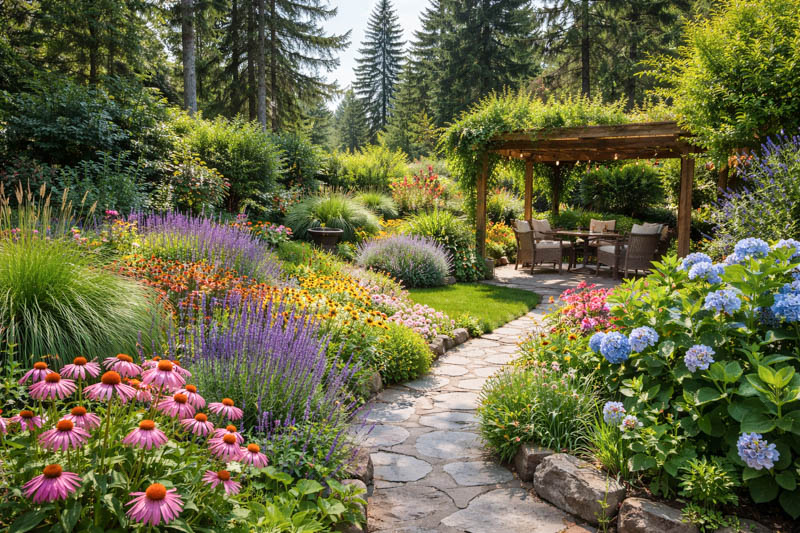
Creating a vibrant, healthy garden requires moving beyond the visual appeal of nursery displays. Many gardeners purchase striking, fully bloomed plants only to watch them wither within a few weeks. This frustration typically stems from a mismatch between the plant’s biological needs and the unique environmental realities of the local region.
Selecting plants that naturally align with your local climate conditions saves time, reduces water consumption, cuts down on fertilizer costs, and minimizes structural garden maintenance. By understanding the foundational ecological factors at play in your region, you can design a resilient landscape that flourishes year after year with minimal intervention.
Decode the USDA Plant Hardiness Zone Map
The foundational starting point for any successful gardening project in the United States is the Plant Hardiness Zone Map. Developed by the Department of Agriculture, this map divides the country into specific zones based on the average annual extreme minimum winter temperature.
Locate Your Exact Zone
The map features zones numbered from 1, which represents the coldest regions, to 13, which covers the tropical climates. Each zone represents a ten-degree Fahrenheit difference, further divided into subsections labeled A and B for five-degree increments. Before purchasing any perennial plant, shrub, or tree, look at its nursery tag to verify that your specific zone falls within its recommended hardiness range.
Understand the Limitations of Hardiness Zones
While hardiness zones are incredibly useful for determining whether a plant can survive winter cold, they do not account for summer heat, humidity levels, or rainfall patterns. For example, Seattle, Washington, and Tucson, Arizona, can share similar winter low temperatures that place them in comparable zones, but their summer conditions are drastically different. Use hardiness zones as a baseline filtering tool rather than a comprehensive guarantee of success.
Analyze Your Local Microclimates
Climate conditions are not uniform across an entire town, neighborhood, or even an individual property. Your yard contains several distinct microclimates, which are localized atmospheric zones where the climate differs from the surrounding area. Observing these nuances helps you match specific plants to the ideal spots on your property.
Monitor Sunlight Exposure and Shadows
Sunlight patterns dictate how well a plant can synthesize energy. Spend a full day tracking how light moves across your yard at various times of the year.
-
Full Sun: Areas that receive six or more hours of direct, unobstructed sunlight daily. This is ideal for most vegetables, prairie grasses, and desert flora.
-
Partial Shade: Spots getting three to six hours of sun, preferably during the cooler morning hours.
-
Full Shade: Areas receiving less than three hours of direct sunlight, often found under dense tree canopies or directly alongside northern house walls.
Assess Wind and Air Circulation
Persistent, strong winds can dry out foliage rapidly, snap delicate stems, and deplete soil moisture. If your property sits on an exposed hillside or faces open fields, you will need wind-tolerant species with flexible stems or dense, low-growing structures. Conversely, low-lying areas with poor air circulation can trap humid air, creating a breeding ground for fungal diseases like powdery mildew.
Identify Heat Islands and Cold Pockets
Structural elements on your property alter the surrounding temperature. Brick walls, asphalt driveways, and concrete patios absorb daytime solar radiation and radiate heat long into the night, creating localized heat islands. These spots can support slightly more tender, heat-loving plants. On the other hand, low spots at the bottom of slopes or valleys act as frost pockets because cold air naturally sinks, meaning plants in these zones will face frost earlier in autumn and later in spring.
Evaluate Regional Rainfall Patterns and Water Availability
Water availability is a major limiting factor in plant health. Understanding your local precipitation habits ensures you choose plants that can cope with the natural moisture cycle without requiring constant supplemental irrigation.
Match Plants to Regional Hydrology
If you live in the arid Southwest, prioritizing drought-tolerant xeriscape plants is essential. Succulents, cacti, sage species, and deep-rooted native grasses survive by storing water internally or entering a dormant state during dry spells. In contrast, if you live in the rainy Pacific Northwest, you must select species that tolerate prolonged soil moisture and frequent overcast skies without suffering from root rot.
Group Plants Using Hydrozoning Principles
To maximize water efficiency, group plants with identical moisture requirements together in the same garden beds. This practice, known as hydrozoning, prevents you from overwatering drought-tolerant species or underwatering moisture-loving plants. Place high-water-demand plants in natural low spots where water naturally collects, or position them close to the house for easy hose access.
Prioritize Regionally Native Species
One of the most reliable ways to guarantee a thriving garden is to utilize native plants. These are species that have naturally evolved over thousands of years in your specific geographical region, adapting precisely to the local soil compositions, weather fluctuations, and native pest populations.
Benefit from Natural Defenses
Native plants have built-in survival mechanisms against local climate extremes. During historic droughts or unseasonable freezes, native flora is far more likely to survive than exotic imports. Furthermore, because they are well-suited to the native soil, they rarely require supplemental chemical fertilizers to maintain their health.
Support Local Wildlife Networks
Native plants form the foundational bedrock of local ecosystems. They provide necessary food, nectar, and nesting habitats for regional pollinators, birds, and beneficial insects. Introducing native species helps restore ecological balance, inviting natural predators that keep destructive garden pests under control without the use of chemical pesticides.
Examine Soil Composition and Drainage
The climate above ground matters little if the conditions below the surface are hostile to a plant’s root system. Soil type dictates how moisture and nutrients move through the earth.
Determine Soil Texture
Identify whether your soil is predominantly clay, sand, or loam. Clay soil retains moisture for long periods but lacks adequate oxygen space, which can suffocate the roots of plants that require sharp drainage. Sandy soil drains water and nutrients away rapidly, leaving plants parched. Loam is the ideal balance of both, retaining sufficient moisture while allowing excess water to drain freely.
Test Soil Drainage Capacity
Before planting, dig a hole roughly twelve inches deep, fill it completely with water, and let it drain naturally. Once empty, fill it again and measure how quickly the water level drops. If the water drains at a rate slower than one inch per hour, the soil has poor drainage, meaning you must either amend the soil with organic matter, construct raised garden beds, or select water-loving species that thrive in boggy conditions.
Frequently Asked Questions
What does the heat zone rating on a plant label mean?
Developed by the American Horticultural Society, the Heat Zone Map tracks the average number of days per year that a region experiences temperatures above eighty-six degrees Fahrenheit. This is the temperature threshold where many plants begin to experience physiological heat stress and cellular damage. A plant tag listing a heat zone tells you the maximum heat level the plant can tolerate before its health declines.
Can I grow plants from a warmer zone if I bring them indoors for winter?
Yes, this practice is common with tropical and subtropical plants, often referred to as overwintering. By growing tender species in lightweight containers, you can display them outdoors on patios during the warm summer months and move them into a sunroom, basement, or bright living room before the first autumn frost hits.
How do I identify native plants that belong to my specific county?
The most reliable resources for identifying hyper-local native plants are your state university cooperative extension offices and regional native plant societies. Online databases, such as the National Wildlife Federation Native Plant Finder or the Audubon Native Plants Database, allow you to enter your exact zip code to generate customized lists of indigenous trees, shrubs, and flowers.
Why do some plants fail even when they are rated for my correct winter hardiness zone?
Winter survival involves more than just absolute temperature numbers. Extended periods of freezing winds can desiccate evergreen foliage, and heavy, wet winter soil can rot dormant roots. Additionally, unseasonably warm spells in early spring can trick a plant into breaking dormancy too soon, leaving the tender new growth vulnerable to subsequent normal frost cycles.
How does humidity affect a plant’s ability to thrive?
High humidity slows down a plant’s transpiration process, which is the evaporation of water from leaves that draws nutrients up from the roots. Plants adapted to dry air can struggle in humid environments, becoming highly susceptible to fungal infections. Conversely, plants from humid rainforests will drop leaves and suffer from crispy, brown edges when grown in arid desert climates.
What is the difference between drought-tolerant and drought-resistant plants?
Drought-tolerant plants can withstand temporary periods of dry weather without suffering long-term damage, though they perform best with occasional watering. Drought-resistant plants are structurally adapted to survive across permanent, long-term desert conditions with virtually no supplemental water once their root systems are fully established in the landscape.