

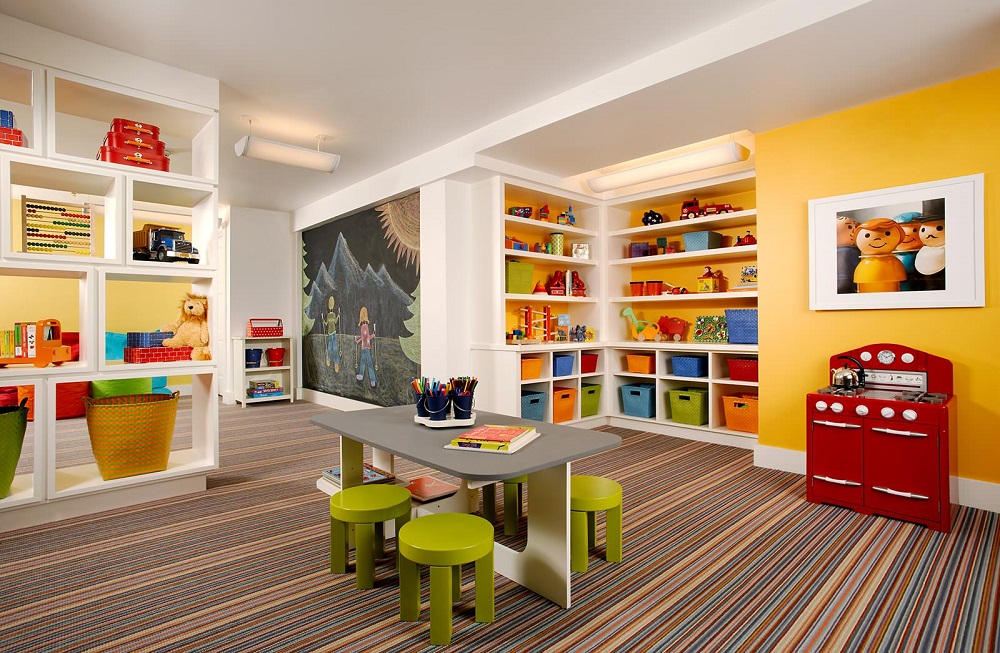
Furnishing a home is an exciting milestone, but doing so with young children in the household introduces a unique set of challenges. The ideal living space must strike a delicate balance between aesthetic appeal, functional comfort, and absolute safety. Children interact with furniture differently than adults; they see a coffee table as a launching pad, a sofa as a canvas for juice spills, and a bookshelf as a climbing wall.
Choosing child-friendly furniture requires moving beyond aesthetics to evaluate construction methods, material durability, and structural engineering. By focusing on smart design choices, you can create a beautiful, sophisticated home that welcomes the chaos of childhood without succumbing to it.
Prioritize Structural Safety and Stability
The primary consideration when selecting furniture for a home with children is physical safety. Heavy furniture poses a severe tip-over hazard if a child attempts to climb it.
Verify Tip-Over Prevention
Any tall or heavy piece of furniture, including bookshelves, dressers, armoires, and media consoles, must be physically anchored to the wall. When shopping for these items, look for manufacturers that include anti-tip hardware kits. Opt for pieces with a low center of gravity and wide, stable bases. Avoid top-heavy designs that can easily lose balance if multiple drawers are pulled open simultaneously.
Look for Rounded Edges and Soft Profiles
Sharp corners on coffee tables, TV stands, and dining tables are frequent sources of injuries for toddlers learning to navigate a space. Look for furniture with rounded corners, beveled edges, or circular designs. Round or oval coffee tables and dining tables inherently minimize the risk of painful bumps and bruises. If you fall in love with a piece that has sharp corners, ensure its design allows for temporary, low-profile corner guards that can be removed later without damaging the finish.
Check Hardware and Mechanism Safety
Examine the functional hardware of any piece before buying.
-
Soft-Close Hinges: Essential for toy boxes, storage benches, and cabinets to prevent heavy lids and doors from slamming on small fingers.
-
Drawer Stoppers: Ensure all dressers and desks feature built-in drawer glides with automatic stops. This prevents a child from pulling a heavy drawer completely out of its frame onto themselves.
-
Minimalist Pulls: Avoid protruding, sharp hardware knobs or handles that a child could trip against or use as a step to climb higher.
Select High-Performance, Stain-Resistant Fabrics
Upholstery takes the brunt of the wear and tear in a family home. Between muddy paws, spilled milk, and crayon masterpieces, delicate materials like silk, linen, or standard velvet will not survive.
Embrace Performance Fabrics
The textile industry has made massive leaps in creating performance fabrics that look luxurious but clean up effortlessly. Look for fabrics woven with solution-dyed acrylic, polyester, or nylon fibers that have inherent stain resistance built into the thread itself, rather than just a topical treatment that wears off over time. These performance weaves allow liquid spills to bead up on the surface rather than soaking into the cushion padding.
Consider Genuine or Faux Leather
High-quality leather is one of the most resilient choices for family living rooms. It does not absorb liquids, resists odors, and can be wiped clean with a damp cloth. Over time, genuine leather develops a patina that can actually disguise minor scratches. If you prefer a vegan option, high-grade polyurethane faux leather offers similar wipe-clean convenience without the premium price tag. Avoid bonded leather, which cracks and peels rapidly under heavy use.
Opt for Removable, Washable Slipcovers
If you prefer the soft look of woven fabrics, choose a sofa or armchair with fully removable slipcovers. Ensure the manufacturer specifies that the fabric is machine washable, not just dry-clean only. Slipcovers allow you to deep-clean the entire exterior of your seating whenever necessary, and they can be completely replaced if irreversible damage occurs, saving you from buying a whole new sofa.
Evaluate Frame Construction and Material Durability
A piece of furniture can only withstand the physical energy of growing children if its structural core is robust. Investing in high-quality raw materials upfront prevents sagging frames, broken legs, and early replacement costs.
Insist on Kiln-Dried Hardwoods
When purchasing upholstered seating, beds, or tables, look for frames constructed from kiln-dried hardwoods such as oak, maple, walnut, or ash. The kiln-drying process removes moisture from the wood, preventing it from warping, cracking, or splitting under stress. Avoid frames made primarily of particleboard, compressed fiberboard, or softwoods like low-grade pine, which can easily snap if jumped on.
Examine Joinery Methods
How the pieces of wood are fastened together dictates the longevity of the furniture. High-quality furniture features traditional joinery techniques such as mortise-and-tenon joints, dovetails, or corner blocks secured with heavy-duty screws and glue. Avoid furniture held together solely by staples, nails, or cheap glue, as these connection points will rapidly loosen under the vibration and impact of daily play.
Choose Scratch-Resistant Finishes
For wooden surfaces like dining tables, coffee tables, and desks, look for durable topcoats. Polyurethane, lacquer, or catalyzed conversion varnishes provide a hard shield that protects the underlying wood from water rings, scratches, and dents. For an even more indestructible option, consider tables with high-pressure laminate or quartz tops, which resist scratching and staining better than any natural wood finish.
Integrate Smart Storage and Multi-Functional Pieces
Clutter is an inevitable byproduct of childhood. Furniture that pulls double duty as hidden storage helps maintain an organized, adult-friendly aesthetic when playtime is over for the day.
Utilize Storage Ottomans and Benches
Replace a traditional glass or wood coffee table with a large, fabric-upholstered storage ottoman. It serves as a comfortable footrest, a soft surface free of sharp edges, and a massive chest to hide toys, books, and blankets instantly. Similarly, an entryway bench with hidden lower compartments keeps shoes and backpacks tucked away out of sight.
Look for Modular and Scalable Designs
Children grow quickly, and their furniture needs evolve alongside them. Modular sofas allow you to rearrange the seating configuration as your family expands or your living space changes. Look for children’s bedroom furniture that scales up, such as convertible cribs that transition into toddler beds and full-sized daybeds, or desks with adjustable heights.
Frequently Asked Questions
What are the safest paint and stain finishes for children’s furniture?
Look for furniture labeled as having low-VOC or zero-VOC finishes. VOCs, or Volatile Organic Compounds, are chemicals that off-gas into the air over time. Certifications like Greenguard Gold ensure that the product has been rigorously tested for thousands of chemical emissions, making it safe for children who might chew on crib rails or spend hours sleeping in enclosed bedrooms.
Are dark or light colors better for disguising child-induced wear?
Mid-tone colors with visual texture are the most forgiving options. Pure white fabrics show dirt, juice, and mud instantly, while solid black or very dark navy blue fabrics highlight lint, pet hair, and dried cracker crumbs. Opt for heathered grays, tweeds, taupes, or patterned fabrics, which naturally camouflage daily debris and minor stains.
How can I protect my existing wood furniture from water rings and scratches?
You can protect existing pieces by adding custom-cut clear glass or acrylic tops to wood dressers and nightstands. This preserves the visual beauty of the wood while providing an impermeable barrier against spilled cups and rough plastic toys. Using washable fabric table runners or silicone placemats during activities also helps minimize surface damage.
Should I avoid open bookshelves in a child’s playroom?
Open bookshelves are perfectly fine as long as they are anchored securely to the wall. However, to keep the space visually organized, use the lower shelves for heavy, durable storage baskets filled with toys, and reserve the higher, out-of-reach shelves for fragile items, adult books, or display pieces that you want to keep away from curious hands.
Is glass furniture ever acceptable in a home with toddlers?
It is best to completely avoid glass-top coffee tables, side tables, or low console units when you have toddlers. Even tempered glass can shatter under heavy impact, and the constant presence of smudges and fingerprints requires high maintenance. If you want a reflective surface, opt for polished metal, high-gloss lacquered wood, or durable acrylic.
How do I clean ink or crayon off performance fabric sofas?
Most performance fabrics allow you to clean ink or crayon using a mild solution of dish soap and warm water, followed by a gentle blotting motion with a microfiber cloth. For stubborn oil-based stains, a small amount of isopropyl alcohol applied directly to a clean cloth can lift the pigment without damaging the synthetic fibers. Always consult the specific manufacturer’s cleaning code before applying solvents.