

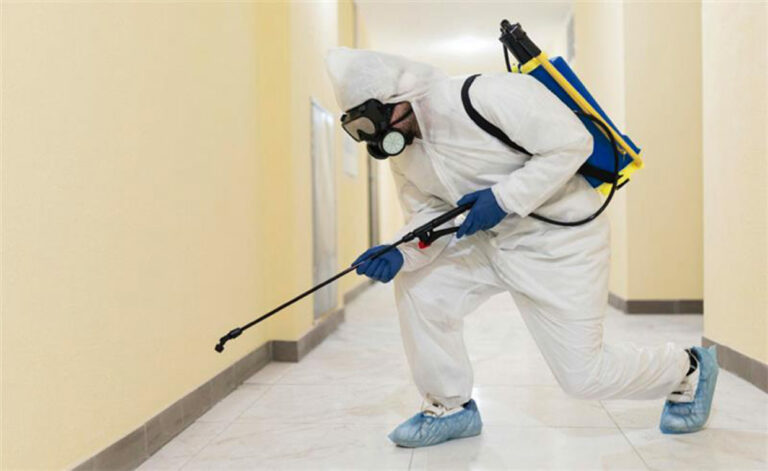
Maintaining a clean, comfortable, and structurally sound home requires a proactive approach to pest management. Unwanted insects and rodents do more than disrupt your peace of mind; they can compromise household hygiene, trigger allergies, and cause extensive damage to the structural integrity of your property.
Many homeowners wait until they see a full-blown infestation before taking action. However, reactive pest control is often expensive and stressful. The most successful approach combines structural exclusion, rigorous sanitation, environmental modifications, and the targeted application of safe eradication methods. By establishing a comprehensive pest prevention strategy, you can protect your investment and preserve a healthy living environment for your family.
Fortify the Home Exterior with Structural Exclusion
The first line of defense against any pest infestation is preventing their physical entry into your living space. Pests are opportunistic survivalists that will exploit microscopic vulnerabilities in your home envelope to find warmth, water, and food.
Seal Foundation Cracks and Wall Gaps
Over time, a residential foundation can settle, creating small fractures along concrete walls and entry steps. Mice can squeeze through an opening the size of a dime, while insects like ants and cockroaches require only a fraction of that space. Inspect your foundation annually and fill visible cracks with heavy-duty silicone caulk or hydraulic cement. Pay special attention to areas where utility lines, electrical conduits, and HVAC pipes penetrate the exterior walls. Seal these specific gaps using a combination of stainless steel mesh or copper mesh, followed by an application of expandable polyurethane foam.
Upgrade Doors and Windows
Doors and windows are common entry points for flying and crawling pests. Check the weatherstripping along the bottom and sides of all exterior doors, including the garage door. If you can see daylight beneath a closed door, the door sweep must be replaced immediately. Ensure all window screens are completely intact, free of tears, and fit tightly within their tracks. If you enjoy leaving windows open during mild seasons, consider using fine-mesh brass or aluminum screens to block tiny biting insects.
Maintain Crawl Spaces and Attic Vents
Attics and crawl spaces offer ideal nesting sites for larger pests like rats, mice, squirrels, and raccoons. Ensure all attic soffit vents, ridge vents, and foundation crawl space openings are covered with heavy-duty galvanized hardware cloth. This metal mesh allows essential airflow to prevent wood rot while providing a physical barrier that rodents cannot chew through.
Disrupt Pest Habitats Through Exterior Landscaping
The condition of your yard directly influences the pest pressure on your home interior. A chaotic, overgrown landscape provides cover and breeding grounds for pests right next to your foundation.
Practice Smart Vegetation Management
Trees, shrubs, and ivy that touch your home act as natural bridges for pests. Ants, termites, and rodents will use overhanging branches to bypass ground-level treatments and gain access to your roofline, gutters, and windows. Trim all tree limbs so they sit at least six feet away from your roof, and prune landscape bushes to maintain a clear two-foot buffer zone from the foundation wall. Avoid planting thick ground covers like English ivy directly against the house, as these dense plants trap moisture and hide rodent runways.
Optimize Drainage and Moisture Management
Pests require moisture to survive, and standing water is a magnet for mosquitoes, termites, and carpenter ants. Ensure your gutters are cleaned twice a year to prevent water back-ups that can rot fascia boards, creating easy entry points. Position downspout extensions to carry rainwater at least four to six feet away from the foundation slab. If your yard has low spots that retain standing water for more than twenty-four hours after a rainstorm, consider grading the soil or installing a French drain system to divert the moisture.
Manage Mulch and Firewood Correctly
Wood mulch is excellent for moisture retention around plants, but placing it directly against your home creates a perfect highway for wood-destroying insects like termites. Keep a clear six-inch strip of bare soil or gravel between your landscaping mulch and the wood siding of your home. Additionally, never store firewood bundles directly against your house or garage walls. Elevate firewood piles at least six inches off the ground and position them twenty feet away from any residential structures.
Implement Indoor Sanitation Protocols
Pests enter homes in search of food and water. By eliminating their access to nutritional resources through strict indoor sanitation, you make your home completely inhospitable to survival.
Eliminate Exposed Food Sources
Leaving food out on countertops is an open invitation for pests. Store all pantry staples, including flour, sugar, cereal, and pet food, in airtight glass, metal, or heavy plastic containers. Never leave dirty dishes sitting in the sink overnight, as the residual grease and moisture feed nocturnal pests like cockroaches. Wipe down dining tables and kitchen countertops after every meal using a disinfecting spray to remove invisible sugar residues and grease splatters.
Standardize Trash and Waste Management
Kitchen trash cans should feature tight-fitting, motion-activated or pedal-operated lids. Empty the interior trash daily into durable exterior garbage bins that lock securely to deter wildlife like raccoons. Rinse out aluminum cans, glass jars, and plastic bottles before placing them into recycling bins, as sweet soda and juice residues are major attractants for yellowjackets and fruit flies.
Address Hidden Indoor Moisture
A dripping pipe underneath a kitchen or bathroom sink can support a pest colony for months without your knowledge. Regularly check under sinks for dampness, water stains, or active leaks, and repair faulty plumbing fixtures immediately. Keep bathroom exhaust fans running for twenty minutes after showers to reduce humidity levels, which discourages moisture-loving pests like silverfish and centipedes from settling in your walls.
Understand Target Eradication Methods
When a pest breach occurs despite your preventative measures, you must deploy target eradication strategies. Choosing the right method depends entirely on the specific biology and behavior of the invading pest.
Deploy Baits for Social Insects
For social insects like ants and termites, traditional contact sprays are often ineffective over the long term. Sprays kill only the individual foragers, leaving the queen and the main colony intact. Instead, utilize slow-acting bait stations. These stations contain an attractive food source mixed with a delayed toxicant. Foraging insects consume the bait and carry it back to the nest, sharing it with the entire colony and ultimately neutralizing the source of the infestation.
Utilize Traps Safely for Rodents
If rodents enter your home, mechanical snap traps remain one of the most reliable and humane methods for population control. Place traps perpendicular to walls along known rodent pathways, which are often indicated by droppings or dark rub marks. Avoid using loose rodenticide baits inside your living spaces; poisoned rodents frequently crawl into deep wall voids or under floorboards to die, creating severe odor problems and attracting secondary pests like beetles.
Frequently Asked Questions
What is Integrated Pest Management and why is it preferred?
Integrated Pest Management, commonly known as IPM, is an eco-friendly, science-based approach to pest control. Instead of relying solely on the routine application of chemical pesticides, IPM emphasizes pest prevention through structural repairs, sanitation, and biological controls. Chemical treatments are used only as a last resort and are applied via highly targeted methods, minimizing chemical exposure for residents, pets, and the surrounding environment.
How often should a typical home receive professional pest inspections?
For standard residential properties, scheduling a professional pest inspection once a year is highly recommended. Annual inspections allow licensed professionals to identify early warning signs of wood-boring insects, rodent entry points, or hidden moisture problems before they escalate into major, expensive structural damage. Homes located in regions with high termite activity may require semi-annual evaluations.
Are natural home remedies like essential oils effective against major infestations?
While essential oils like peppermint, clove, and eucalyptus can act as mild, temporary deterrents for specific insects, they are not effective solutions for eradicating an active, established pest infestation. Essential oils lack residual longevity and do not reach hidden nesting sites within walls or crawl spaces. They should be viewed as supplementary sensory deterrents rather than primary eradication tools.
What attracts bed bugs to a clean home, and how do they spread?
Bed bugs are not attracted to dirt or poor sanitation. They feed exclusively on blood, meaning they can thrive in the cleanest homes and luxury hotels alike. Bed bugs are expert hitchhikers that enter residential spaces via used furniture, clothing, and luggage after a person travels or visits an infested public location. Once inside, they hide in mattress seams, baseboards, and electrical outlets.
How can homeowners distinguish between flying ants and subterranean termites?
While they look similar at a glance, you can tell them apart by examining their body shapes, antennae, and wings. Flying ants possess a pinched, narrow waist, elbowed or bent antennae, and two pairs of wings that differ in size. Subterranean termites feature a thick, straight waist, straight antennae resembling tiny beads, and two pairs of wings that are completely equal in length and shape.
Is it safe to stay inside the house during a standard interior pest treatment?
Most modern interior pest treatments utilize low-toxicity, low-odor botanical extractions or synthetic pyrethroids that are applied directly into cracks, crevices, and baseboard gaps rather than broadcast into the air. In most cases, it is completely safe to remain home, though technicians usually recommend keeping children and pets out of the treated rooms until the liquid applications have dried completely, which takes about two hours.